



Cats are often seen as independent, calm, and emotionally self-sufficient animals, but in reality, they are deeply sensitive creatures that can be strongly affected by changes in their environment, routine, and relationships. While “depression” in cats is not diagnosed in exactly the same clinical way as it is in humans, veterinarians do recognize that cats can experience emotional distress that leads to noticeable behavioral changes. This condition is often linked to stress, grief, boredom, illness, or sudden disruptions in their daily life, such as moving to a new home, the arrival of a new pet or baby, or the loss of a companion they were bonded with.
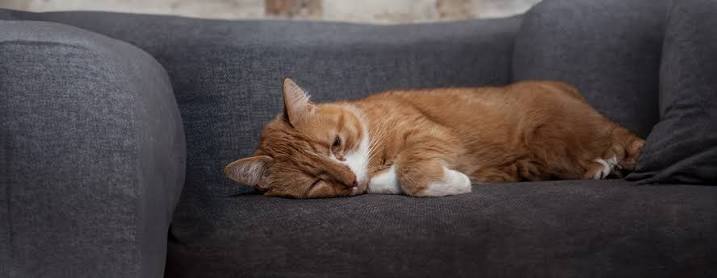
When a cat is emotionally affected, the signs are not always obvious at first. Some cats may become unusually withdrawn, spending long hours hiding under furniture or in quiet corners of the house. Others may sleep far more than usual, showing little interest in their surroundings or daily activities. A once playful cat may stop engaging with toys, ignore interaction with their owner, or lose interest in activities they previously enjoyed. Changes in appetite are also common—some cats may eat significantly less, while others may overeat as a response to stress.
In addition to behavioral changes, physical signs can also appear. A stressed or emotionally distressed cat may groom itself less, leading to a dull or unkempt coat, or in some cases, over-groom to the point of creating bald patches. Vocalization patterns may change as well, with some cats becoming unusually quiet while others may meow more frequently than normal. These subtle signals are often a cat’s way of communicating that something is wrong, even if there is no obvious physical illness.
It is important for pet owners to understand that these changes should never be ignored. Because cats are experts at hiding discomfort, emotional or medical issues can go unnoticed until they become more serious. If you observe persistent changes in your cat’s behavior, it is always recommended to consult a veterinarian to rule out underlying health problems and to discuss possible environmental or emotional causes. With proper care, attention, and sometimes small adjustments to their routine or environment, many cats can recover their normal behavior and return to a happy, active life.